Resources
Codes of Practice for Hazardous Substances (EPA NZ)
HSNO codes of practice (HSNOCOPs) set out how to comply with the Hazardous Substances and New Organisms (HSNO) Act and the HSNO regulations or provide an alternative way of complying with the HSNO regulations.
Hazardous Substances Toolbox (WorkSafe NZ)
Your Practical Guide to working safely with hazardous substances provides you with the supporting reference material for working through the 5 Steps to Safety.
Inventory of Hazardous Substances
All sites are required to maintain a full inventory of Hazardous Substances
Location Compliance Certificate Checklist
You may require a location compliance certificate if you have explosive, flammable, oxidising, toxic or corrosive substances and the quantity exceeds the thresholds specified in the Health and Safety at Work (Hazardous Substances) Regulations 2017.
Safety Data Sheets (SDS)
All sites are required to hold a CURRENT safety data sheet for the substances they hold.
You can source these directly from the supplier of your substance in either electronic or paper form
Regulation 2.11 lays out the requirements and is shown below.
Signage Regulations
The trigger volumes for signage are found in Schedule 3 – Quantities of Hazardous Substances that Require Signage
Site Plans (Hazardous Area Atmosphere Zones)
Regulation 10.34 Sub-clause (d) calls for compliance with regulation 10.6 and the need to document a “Hazardous Atmosphere Zone”.
Training in HSWA (Regulation 4.5)
A PCBU must comply with regulation 9 of the Health and Safety at Work (General Risk and Workplace Management) Regulations 2016 and take additional measures to ensure workplace safety.
Transporting Dangerous Goods (NZTA)
If you’re transporting dangerous goods, you usually need to have a dangerous goods (D) endorsement on your driver license.
Resources
Codes of Practice for Hazardous Substances
(EPA NZ)
HSNO codes of practice (HSNOCOPs) set out how to comply with the Hazardous Substances and New Organisms (HSNO) Act and the HSNO regulations, or provide an alternative way of complying with the HSNO regulations.
They are not mandatory and you can meet the requirements in other ways instead.
The new Health and Safety at Work (Hazardous Substances) Regulations 2017 and EPA Notices replace the HSNO regulations, which means that some HSNOCOPs are no longer valid.
Hazardous Substances Toolbox (WorkSafe NZ)
Your Practical Guide to working safely with hazardous substances provides you with the supporting reference material for working through the 5 Steps to Safety.
It provides you with information about using and storing your hazardous substances safely.
The full guide can be downloaded here.
Inventory of Hazardous Substances
All sites are required to maintain a full inventory of Hazardous Substances
The inventory must include the substance’s name and UN number (if available), the maximum amount likely to be at the workplace, its location, any specific storage and segregation requirements, a current safety data sheet or a condensed version of key information from the safety data sheet, and any hazardous waste.
Location Compliance Certificate Checklist
You may require a location compliance certificate if you have explosive, flammable, oxidising, toxic or corrosive substances and the quantity exceeds the thresholds specified in the Health and Safety at Work (Hazardous Substances) Regulations 2017.
You should use Worksafe’s online calculator (external link) to check whether you need a location compliance certificate for your hazardous substances.
Safety Data Sheets (SDS)
All sites are required to hold a CURRENT safety data sheet for the substances they hold.
You can source these directly from the supplier of your substance in either electronic or paper form
Regulation 2.11 lays out the requirements and is shown below.
All sites are required to hold a CURRENT safety data sheet for the substances they hold.
You can source these directly from the supplier of your substance in either electronic or paper form
Regulation 2.11 lays out the requirements and is shown below.
Signage Regulations
The trigger volumes for signage are found in Schedule 3 – Quantities of Hazardous Substances that Require Signage
The trigger volumes for signage are found in Schedule 3 – Quantities of Hazardous Substances that Require Signage
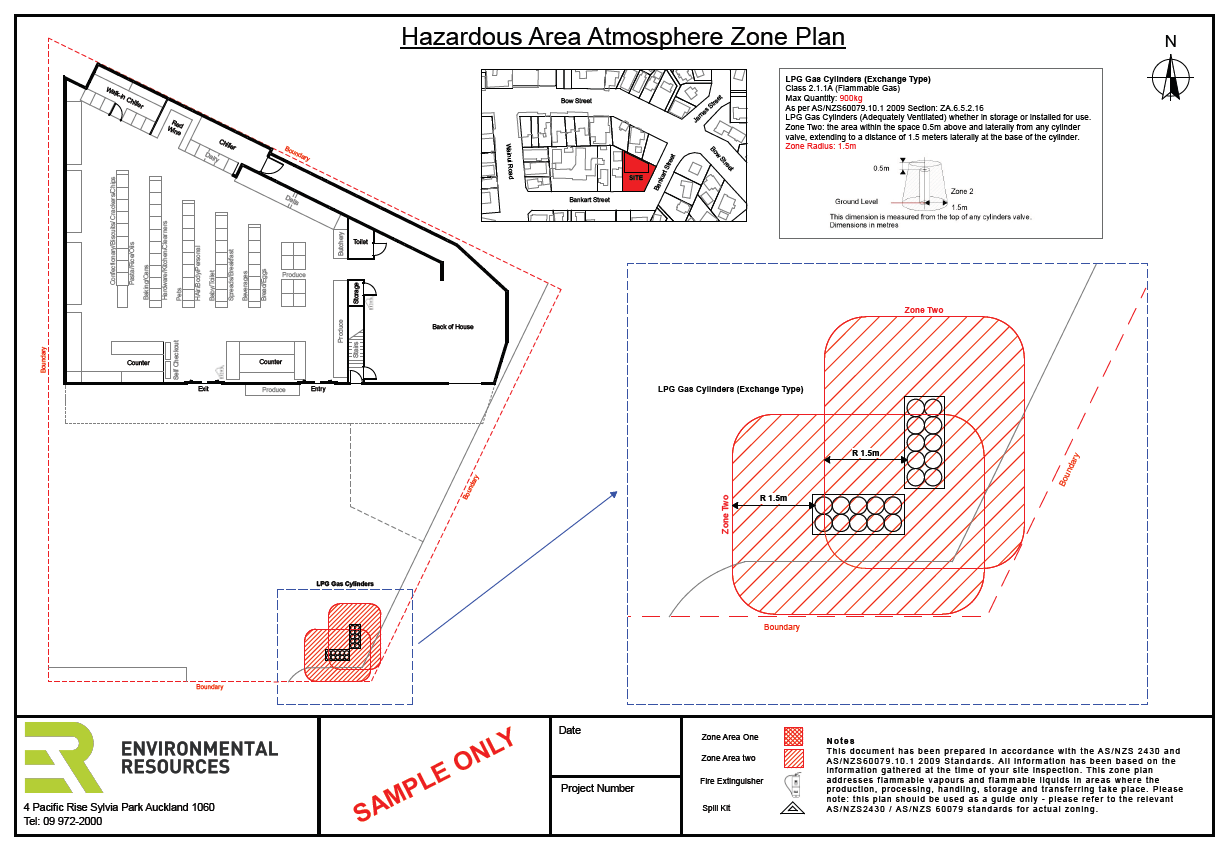
Site Plans (Hazardous Area Atmosphere Zones)
Regulation 10.34 Sub-clause (d) calls for compliance with regulation 10.6 and the need to document a “Hazardous Atmosphere Zone”.
Where:-
a plan of the relevant place that is accurate and drawn to scale to the extent necessary to enable the plan to meet its purpose in the provision that refers to it (in particular, by enabling a person inspecting the plan to identify actual distances and other relevant dimensions)
Training in HSWA (Regulation 4.5)
A PCBU must comply with regulation 9 of the Health and Safety at Work (General Risk and Workplace Management) Regulations 2016 and take additional measures to ensure workplace safety.
To achieve this, a PCBU must provide workers with proper information, training, and instruction before they are allowed to carry out or supervise work involving hazardous substances.
Transporting Dangerous Goods (NZTA)
If you’re transporting dangerous goods, you usually need to have a dangerous goods (D) endorsement on your driver license. A lot depends on what you’re transporting, how much of it and under what circumstances.
If you’re transporting dangerous goods for hire or reward (eg if you’re a transport operator or a courier), you will usually need a D endorsement.